Comparing suppliers of other pet medications
The supplier shown on an individual product page is the business offering the medication or health product and fulfilling the order. Before ordering, confirm the details on that supplier's current website. Useful points of comparison include:
- Exact product: Confirm the brand or generic name, active ingredients, strength, dosage form and package quantity.
- Species and purpose: Check whether the product is intended for dogs, cats, horses, livestock or another species and what condition it is labeled to address.
- Total price: Consider the package price together with shipping charges, currency conversion and any additional fees.
- Shipping: Review the stated shipping origin, available destinations, estimated delivery time and tracking options.
- Prescription-submission policy: Check whether the supplier requires the customer to upload, mail or otherwise submit a veterinary prescription.
- Payment and customer service: Review accepted payment methods, refund policies and ways to contact the supplier.
Prices, inventory, packaging and supplier policies can change. Products with similar names may be sold in different strengths or formulations, so compare active ingredients and the complete label rather than relying on a familiar brand name.
Itching, allergies and skin conditions
Products in this group include Apoquel, Atopica or cyclosporine, Cytopoint, hydroxyzine, corticosteroids and medicated topical preparations. These products work in different ways and are not interchangeable. Itching can be associated with environmental or food allergy, fleas or mites, bacterial or fungal infection, contact irritation and other skin disease.
Suppressing itch or inflammation does not necessarily address its cause. Immunomodulating drugs and corticosteroids can also affect immune function, infection risk and monitoring needs. An injectable product such as Cytopoint has different administration and storage considerations from a tablet, capsule, spray, cream or ointment.
Vomiting, nausea, appetite and digestive support
Cerenia or maropitant and metoclopramide may be used for selected causes of nausea or vomiting, while Entyce or capromorelin and mirtazapine may be used to encourage appetite in particular patients. These drugs have different indications and safety considerations. Controlling vomiting or stimulating appetite does not identify or correct the underlying disease.
Other listed products serve different digestive purposes. Sucralfate can protect selected damaged areas of the gastrointestinal lining; omeprazole reduces gastric acid; lactulose may be used as a laxative or for selected liver-related conditions; and pancreatic enzyme products support digestion when pancreatic enzyme production is inadequate. The appropriate choice depends on the diagnosis.
Persistent vomiting, repeated unproductive retching, abdominal swelling, blood in vomit or stool, marked weakness, dehydration, severe pain or inability to keep water down requires timely veterinary attention.
Urinary incontinence medications
Phenylpropanolamine products such as Proin and Propalin and the estrogen product Incurin or estriol may be used for particular forms of urinary incontinence, especially urethral sphincter weakness in dogs. They act differently and have different contraindications and monitoring considerations.
Urine leakage should be distinguished from frequent urination, urinary infection, bladder stones, excessive urine production, neurologic disease or inability to urinate. Straining without producing urine—particularly in a male cat—is an emergency and is not a problem to treat with an incontinence medication.
Antifungal and antiviral medications
Fluconazole, ketoconazole and miconazole are antifungal drugs, but their routes, absorption, interactions and appropriate uses differ. Famciclovir is an antiviral drug used in selected veterinary cases and is not an antibiotic. Antifungal or antiviral treatment should be matched to the suspected organism and the animal's health status.
Diabetes and other endocrine conditions
Diabetes mellitus in dogs and cats requires diagnosis, ongoing monitoring and an individualized treatment plan. Metformin is not a general substitute for insulin. Insulin remains central to treatment for most diabetic dogs and many diabetic cats, while the role of other glucose-lowering drugs depends on the individual patient and current veterinary guidance.
Vetoryl or trilostane is used for selected dogs with hyperadrenocorticism, commonly called Cushing's disease, and requires monitoring because too much suppression of adrenal hormone production can be dangerous. Ketoconazole and corticosteroids have different endocrine effects and should not be grouped together simply because they may appear in discussions of hormonal disease.
Injectable and supportive-care products
Injectable vitamin B12, lidocaine and oxytocin are not routine equivalents of over-the-counter home-care products. Their safe use depends on the indication, route, concentration, dose, storage and the condition of the patient.
Oxytocin is not a general solution for delayed labor. Obstructed delivery or inappropriate administration can endanger both the mother and offspring. Lidocaine can cause serious neurologic or cardiovascular toxicity if used incorrectly. The presence of an injectable product in this comparison category is not a recommendation for administration by an untrained person.
Medication labels, interactions and monitoring matter
Several products on this page can interact with other medications or require adjustment for kidney, liver, heart or endocrine disease. Tell the treating veterinarian about prescription drugs, supplements, over-the-counter products and CBD products being used. Do not assume that a human formulation or a medication previously used for another animal is appropriate.
Follow the label and patient-specific directions for the exact product. Seek prompt advice after an overdose, use of the wrong formulation, accidental ingestion or an unexpected reaction. Keep the container available so the active ingredient and strength can be identified.
Independent information and affiliate disclosure
Dog & Cat Pharm provides medication information and links to independent suppliers so visitors can compare their options. We do not diagnose animals, select a treatment or guarantee a supplier's inventory, delivery time or policies.
Some supplier links are affiliate links. Dog & Cat Pharm may receive a commission when a visitor follows one of these links and makes a purchase. This does not change the price paid by the customer.
Veterinary medication information sources
Last reviewed: September 2026. This page is for general educational and supplier-comparison purposes and is not a substitute for advice from a veterinarian who has examined the animal.


 for itching
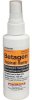 for itchy skin lesions on dogs
 for skin Appetite Loss
 for Dogs, Cats, Livestock
 for ulcers


 for motion sickness, anti-vomiting
 for atopic dermatitis, itching
 antifungal
 appetite stimulant
 for herpes infections
 for Appetite Loss
 for incontinence
 for systemic fungal infections, Cushing's disease
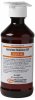 Stool Softener
 local anaesthetic
 steroid
 to control blood sugar
 anti-nausea
 topical antifungal
 behavioral problems, loss of appetite
 anti- ulcer
 for veterinary reproductive use
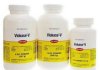 Digestive Enzyme Aid
 for incontinence
 sedative, antihistamine and antiemetic
 for skin conditions
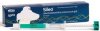 Noise Aversion Treatment
 cholesterol-lowering medication
 Bronchodilator
 for Cushing's disease