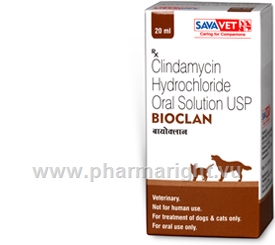
What Is Clindamycin?
Clindamycin, sold under brand names including Antirobe, is an antibiotic in the lincosamide family. Veterinarians prescribe it to dogs and cats for certain bacterial infections, particularly infections involving susceptible gram-positive and anaerobic bacteria.
Veterinary clindamycin products are available for dogs and cats, although the approved species and uses differ between products. Veterinarians may also prescribe clindamycin extra-label for other infections or conditions when appropriate.
Clindamycin does not treat viral infections and is not effective against every type of bacteria. Diagnosis, bacterial susceptibility and the location of the infection should be considered before treatment.
How Does Clindamycin Work?
Clindamycin binds to part of the bacterial ribosome and interferes with protein production. This usually prevents susceptible bacteria from growing and reproducing.
Because clindamycin has a different spectrum of activity from penicillins, cephalosporins and other antibiotics, it should not be substituted for another medication simply because both products are antibiotics.
Culture and susceptibility testing may be recommended to identify the bacteria and help determine whether clindamycin is an appropriate treatment.
What Is Clindamycin Used for in Dogs and Cats?
Depending on the product, animal and organism involved, veterinarians may prescribe clindamycin for:
- Infected wounds and abscesses
- Skin and soft-tissue infections caused by susceptible bacteria
- Dental and oral infections
- Bone infections such as osteomyelitis, particularly in dogs
- Certain infections involving anaerobic bacteria
Clindamycin may also be prescribed extra-label to treat toxoplasmosis in dogs and cats. Toxoplasmosis is caused by a protozoan parasite rather than bacteria, so this use is different from its routine use as an antibiotic.
Clindamycin is not appropriate for every wound, dental problem or infection. Abscesses may also require drainage, and dental infections may require professional dental treatment in addition to medication.
Clindamycin Dosage for Dogs and Cats
There is no single clindamycin dose suitable for every dog or cat. The amount, dosing interval and length of treatment depend on the animal’s species, weight, diagnosis, product formulation, health and response to treatment.
This page does not provide an individual dosing recommendation. Follow the veterinarian’s directions and the label supplied with the exact product. Do not change the dose, discontinue treatment early or extend treatment without veterinary guidance.
How Should Clindamycin Be Given?
Clindamycin is available in capsules, tablets, chewable products and liquid preparations. It may generally be given with or without food. Giving it with a small amount of food may help if it causes stomach upset.
Do not give a clindamycin tablet or capsule as a dry pill, particularly to a cat. A pill that remains in the esophagus can cause painful irritation or ulceration. Follow the medication with moist food or the amount of water recommended by the veterinarian.
Clindamycin has a very bitter taste. Cats may drool, lick their lips or resist the medication after tasting it. This reaction does not necessarily indicate an allergy, but contact a veterinarian if the animal has difficulty swallowing, repeated regurgitation or persistent distress.
Measure liquid medication carefully and shake it when directed. Compounded liquids may have different storage requirements and expiration dates, so follow the dispensing label.
If a dose is missed, give it when remembered unless it is nearly time for the next scheduled dose. Do not give two doses together unless specifically instructed by a veterinarian.
Possible Side Effects
Possible side effects in dogs and cats include:
- Vomiting or nausea
- Diarrhea or soft stool
- Reduced appetite
- Drooling or lip smacking, particularly after tasting liquid medication
- Difficulty swallowing if a tablet or capsule irritates the esophagus
Contact a veterinarian if vomiting or diarrhea is severe, persistent or contains blood, or if the animal stops eating. Cats that do not eat can develop serious complications and should receive prompt veterinary attention.
Facial swelling, hives, difficulty breathing, pale gums, severe weakness or collapse may indicate a serious allergic reaction and require emergency veterinary care.
Warnings and Precautions
Do not give clindamycin to an animal with a known allergy to clindamycin or lincomycin unless a veterinarian has specifically evaluated the situation.
A veterinarian should know if the animal has liver disease, kidney disease, gastrointestinal disease or is pregnant, breeding or nursing. Animals receiving extended treatment may require blood tests to monitor liver and kidney function and blood-cell counts.
Clindamycin can cause severe or potentially fatal disruption of intestinal bacteria in certain species, including rabbits, guinea pigs, hamsters, chinchillas and horses. Medication prescribed for a dog or cat should never be shared with another species.
Medication Interactions
A veterinarian should know about every prescription drug, over-the-counter medicine and supplement the animal receives. Particular caution may be needed with:
- Erythromycin and certain other antibiotics that act at the same bacterial ribosome site
- Chloramphenicol
- Medications that affect neuromuscular function
This is not a complete interaction list. Do not combine or change medications without veterinary or pharmacy guidance.
Antibiotic Resistance and Responsible Use
Do not use leftover clindamycin, share one animal’s medication with another animal or use it for a new illness without veterinary advice. The wrong antibiotic, dose or treatment duration can delay appropriate treatment and promote resistant bacteria.
If the animal does not improve within the expected period or becomes worse, contact the veterinarian. The infection may require drainage, dental care, culture testing or a different medication.
Can You Buy Clindamycin Without Submitting a Vet Prescription?
In the United States, clindamycin products are prescription drugs. FDA-approved veterinary clindamycin products are restricted to use by or on the order of a licensed veterinarian. That legal classification is separate from an individual supplier’s ordering procedure.
At the time of our latest review, the independent suppliers compared on this page did not require customers to submit a veterinary prescription when placing an order. Supplier requirements, availability, prices and shipping terms can change, so verify current information on each supplier’s website.
Dog & Cat Pharm does not prescribe, sell, dispense, handle or ship clindamycin. We provide general medication information and compare independent suppliers.
Frequently Asked Questions
Is Antirobe the same as clindamycin?
Antirobe is a veterinary brand name for clindamycin. Other brand-name and generic products contain the same active ingredient, although their dosage forms, strengths and approved uses may differ.
Can clindamycin be used in both dogs and cats?
Yes. Veterinary clindamycin products are available for dogs and cats. The appropriate product, dose and treatment duration depend on the species, infection and individual animal.
Is clindamycin a penicillin?
No. Clindamycin is a lincosamide antibiotic. It is not a penicillin, cephalosporin or other beta-lactam antibiotic.
Is clindamycin the same as Clavamox or Augmentin?
No. Clindamycin is a lincosamide antibiotic. Clavamox and Augmentin contain amoxicillin combined with clavulanate. These medications work differently and are not interchangeable.
Why should clindamycin pills not be given dry?
A tablet or capsule can become lodged in the esophagus and cause irritation or ulceration. This is an especially important concern in cats. Follow each pill with moist food or the amount of water directed by the veterinarian.
Why does my cat drool after taking clindamycin?
Clindamycin has a very bitter taste, and tasting it can cause pronounced drooling or lip smacking. Contact a veterinarian if the reaction is persistent or accompanied by difficulty breathing, facial swelling, repeated vomiting or trouble swallowing.
Can clindamycin treat a dental infection?
Clindamycin is used for certain dental and oral infections caused by susceptible bacteria. Medication may not correct the underlying dental disease, so an examination and dental treatment may still be necessary.
Can clindamycin treat toxoplasmosis?
Veterinarians may prescribe clindamycin extra-label as part of the treatment for toxoplasmosis in dogs and cats. The diagnosis and treatment schedule should be determined by a veterinarian.
How quickly does clindamycin work?
Clindamycin begins acting after it is absorbed, but visible improvement may take several days and depends on the condition being treated. Contact the veterinarian if the animal becomes worse or does not improve within the expected time.
Sources
This page provides general medication and supplier-comparison information and is not a substitute for diagnosis or treatment advice from a veterinarian.