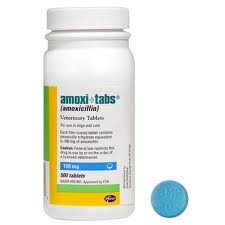
What Is Amoxicillin?
Amoxicillin is a penicillin-class antibiotic used to treat certain bacterial infections. Veterinary products containing amoxicillin are approved for use in dogs and cats, and veterinarians may also prescribe other amoxicillin products when appropriate.
Amoxicillin does not treat viruses, fungi or parasites. It should be used only when a veterinarian determines that a bacterial infection is present or reasonably suspected and that the bacteria are likely to be susceptible to the drug.
How Does Amoxicillin Work?
Amoxicillin is a beta-lactam antibiotic. It interferes with the formation of the bacterial cell wall, causing susceptible bacteria to die. Some bacteria produce enzymes called beta-lactamases that can make amoxicillin ineffective.
Laboratory culture and susceptibility testing may be recommended to identify the bacteria and help determine which antibiotic is likely to work. Unnecessary or incorrect antibiotic use encourages antimicrobial resistance.
What Is Amoxicillin Used for in Dogs and Cats?
Depending on the product label, the animal and the bacteria involved, veterinarians may prescribe amoxicillin for susceptible bacterial infections affecting areas such as:
- The skin and soft tissues, including certain wounds and abscesses
- The respiratory tract
- The urinary or genitourinary tract
- The gastrointestinal tract
These signs can have many causes, and amoxicillin is not appropriate for every infection. A veterinarian should diagnose the condition and select the medication.
Amoxicillin Dosage for Dogs and Cats
There is no single amoxicillin dose suitable for every dog or cat. The amount, dosing interval and length of treatment depend on the species, weight, infection, product concentration, kidney function, other health conditions and the animal's response.
This page does not provide an individual dosing recommendation. Follow the veterinarian's directions and the label supplied with the specific product. Do not change the dose, stop early or extend treatment without veterinary guidance.
Giving Amoxicillin
Oral amoxicillin is available in tablets, capsules and liquid suspensions. Some products may be given with or without food; giving a dose with food may help if it causes stomach upset. Follow the directions for the exact product.
Measure liquid medication carefully and shake a suspension well before each dose. Storage and discard instructions can differ among products, especially after a powder has been mixed with water, so follow the dispensing label rather than assuming that every liquid is handled the same way.
Give the medication for the full time prescribed unless the veterinarian directs otherwise. If a dose is missed, contact the veterinarian or pharmacist for instructions; do not give two doses together unless specifically told to do so.
Possible Side Effects
Possible side effects include:
- Vomiting or nausea
- Diarrhea or soft stool
- Reduced appetite
- Drooling or other signs of digestive upset
- Skin rash or other allergic reaction
Contact a veterinarian if side effects are severe, persistent or unexpected. Facial swelling, hives, difficulty breathing, pale gums, weakness or collapse may indicate a serious allergic reaction and require emergency veterinary care.
Warnings and Precautions
Do not give amoxicillin to an animal with a known allergy to amoxicillin or another penicillin unless a veterinarian has specifically evaluated the risk. Tell the veterinarian about reactions to penicillins, cephalosporins or other beta-lactam antibiotics.
A veterinarian should also know about kidney disease, pregnancy or nursing, and every prescription drug, over-the-counter medicine and supplement the animal receives. Additional monitoring or a different regimen may be needed.
Amoxicillin Is Not the Same as Amoxicillin-Clavulanate
Plain amoxicillin contains one antibiotic ingredient. Products such as Clavamox and Augmentin combine amoxicillin with clavulanate, which can help protect amoxicillin from certain bacterial beta-lactamases.
These products are not interchangeable dose for dose. Their strengths, approved uses and dosing instructions differ. Use the exact product prescribed rather than substituting one for the other.
Antibiotic Resistance and Responsible Use
Do not use leftover amoxicillin, share one animal's medication with another animal, or use it for a new illness without veterinary advice. The wrong drug, dose or treatment duration can delay appropriate care and promote resistant bacteria.
If the animal does not improve as expected or becomes worse, contact the veterinarian. The diagnosis, bacterial susceptibility or treatment plan may need to be reevaluated.
Can You Buy Amoxicillin Without Submitting a Vet Prescription?
In the United States, veterinary amoxicillin products are prescription drugs restricted to use by or on the order of a licensed veterinarian. That legal classification is separate from an individual supplier's ordering procedure.
At the time of our latest review, the independent suppliers compared on this page did not require customers to submit a veterinary prescription when placing an order. Supplier requirements, availability, prices and shipping terms can change, so verify current information on each supplier's website.
Dog & Cat Pharm does not prescribe, sell, dispense, handle or ship amoxicillin. We provide general medication information and compare independent suppliers.
Frequently Asked Questions
Can amoxicillin be used in both dogs and cats?
Yes. Veterinary amoxicillin products are labeled for dogs and cats, but the appropriate product, dose and treatment duration depend on the individual animal and infection.
Does amoxicillin treat every bacterial infection?
No. Some bacteria are naturally resistant or have acquired resistance, including the ability to produce beta-lactamases. Diagnosis and, when appropriate, culture and susceptibility testing help guide treatment.
Is amoxicillin the same as Clavamox or Augmentin?
No. Clavamox and Augmentin contain amoxicillin plus clavulanate. Plain amoxicillin does not contain clavulanate, and the products should not be substituted without veterinary direction.
Can amoxicillin treat a urinary tract infection?
It may treat some urinary infections caused by susceptible bacteria, but urinary signs do not always mean a bacterial infection is present. A veterinarian may recommend urine testing and a culture before selecting an antibiotic.
How quickly does amoxicillin work?
The medication begins acting after it is absorbed, but visible improvement depends on the infection and the animal. Contact the veterinarian if improvement does not occur within the expected time or if the animal gets worse.
Should amoxicillin be given with food?
Some oral amoxicillin products may be given with or without food. If a dose given on an empty stomach causes vomiting or stomach upset, ask the veterinarian whether future doses should be given with food.
Can leftover amoxicillin be used for a new infection?
No. Similar symptoms may have different causes, and the leftover amount may be the wrong product, strength or treatment duration. A veterinarian should evaluate the new illness.
Sources
This page provides general medication and supplier-comparison information and is not a substitute for diagnosis or treatment advice from a veterinarian.