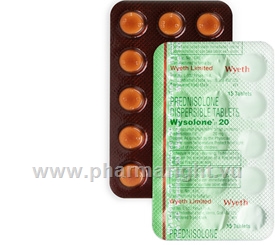
What Are Prednisone and Prednisolone?
Prednisone and prednisolone are closely related corticosteroid medications. More specifically, they are glucocorticoids that imitate some of the effects of cortisol, a hormone naturally produced by the adrenal glands.
These medications reduce inflammation and, at higher doses, suppress immune-system activity. Veterinarians prescribe them for many inflammatory, allergic and immune-mediated conditions in dogs and cats.
Prednisone must be converted by the liver into prednisolone before it becomes active. Dogs generally perform this conversion efficiently. Cats convert prednisone less reliably, so veterinarians usually prescribe prednisolone instead. Prednisolone may also be preferred in animals with impaired liver function.
How Do Prednisone and Prednisolone Work?
Prednisone and prednisolone alter the activity of numerous genes and chemical signals involved in inflammation and immune responses. This can reduce swelling, itching, redness, pain associated with inflammation and excessive immune-system activity.
The effect depends heavily on the dose. A lower dose may be used primarily for inflammation, while a higher dose may suppress the immune system. The same medication may therefore be prescribed very differently for different conditions.
What Are They Used for in Dogs and Cats?
Veterinarians may prescribe prednisone or prednisolone for conditions including:
- Allergic skin disease and severe itching
- Inflammation affecting the skin, joints, airways or other tissues
- Asthma and other inflammatory respiratory conditions
- Inflammatory bowel disease and certain other gastrointestinal disorders
- Immune-mediated diseases in which the immune system attacks the animal’s own tissues
- Certain blood disorders
- Some cancers, including lymphoma, as part of a broader treatment plan
- Replacement of deficient corticosteroid hormones in animals with adrenal insufficiency
This is not a complete list. Because corticosteroids can temporarily improve symptoms while masking an infection or other underlying disease, the cause of the animal’s condition should be evaluated before treatment.
Prednisone and Prednisolone Dosage
There is no single dose suitable for every dog or cat. The prescribed amount and schedule depend on the animal’s species, weight, diagnosis, treatment goal, health, other medications and response.
Anti-inflammatory, immunosuppressive and hormone-replacement doses can be very different. This page does not provide an individual dosing recommendation.
Follow the veterinarian’s instructions and the dispensing label. Do not increase the dose, give additional doses or extend treatment without veterinary guidance.
How Should These Medications Be Given?
Prednisone and prednisolone are commonly given by mouth as tablets or liquids. Giving the medication with food may reduce stomach irritation.
Measure liquid medication carefully and shake it when directed. Compounded preparations may have different storage requirements and expiration dates, so follow the label supplied with the particular product.
If a dose is missed, give it when remembered unless it is nearly time for the next scheduled dose. Do not give two doses together unless specifically instructed by a veterinarian.
Common Short-Term Side Effects
Even short courses can cause noticeable effects. Common side effects include:
- Increased thirst
- Increased urination
- Increased appetite
- Panting, particularly in dogs
- Restlessness or changes in behavior
- Vomiting, diarrhea or other digestive upset
Animals receiving corticosteroids should have continuous access to fresh water and sufficient opportunities to urinate.
Risks of Higher Doses or Long-Term Treatment
The risk of adverse effects generally increases with the dose and duration of treatment. Possible longer-term effects include:
- Weight gain and redistribution of body fat
- Muscle weakness or wasting
- Thin skin, poor coat quality and delayed wound healing
- Increased susceptibility to bacterial, fungal or other infections
- Development or worsening of diabetes mellitus
- Gastrointestinal irritation, ulceration or bleeding
- Elevated liver enzymes and enlargement of the liver
- Suppression of the adrenal glands
- Signs resembling Cushing’s disease
A veterinarian may recommend periodic examinations, blood tests, urine tests or other monitoring during extended treatment.
Do Not Stop Long-Term Treatment Suddenly
Prednisone and prednisolone can suppress the adrenal glands’ natural production of cortisol. After regular or prolonged treatment, suddenly stopping the medication can cause dangerous adrenal insufficiency.
When appropriate, a veterinarian will provide a schedule that gradually reduces or “tapers” the dose. Do not change or discontinue a regular corticosteroid regimen without veterinary guidance.
Warning: Corticosteroids and NSAIDs
Do not combine prednisone or prednisolone with a nonsteroidal anti-inflammatory drug unless a veterinarian has specifically directed it. NSAIDs include carprofen, meloxicam, aspirin, deracoxib, firocoxib, robenacoxib and similar medications.
Combining or closely switching between a corticosteroid and an NSAID can greatly increase the risk of stomach or intestinal ulceration, bleeding and perforation. A veterinarian may require a drug-free washout period when changing treatments.
Other Medication Interactions
A veterinarian should know about every prescription drug, over-the-counter medicine and supplement the animal receives. Additional caution may be needed with:
- Other corticosteroids
- NSAIDs and aspirin
- Diuretics such as furosemide
- Insulin and other diabetes medications
- Certain antifungal medications
- Some seizure medications
- Other drugs that suppress the immune system
- Vaccines, particularly live vaccines
This is not a complete interaction list. Do not add or discontinue medication without veterinary or pharmacy guidance.
Infections and Immune Suppression
Prednisone and prednisolone can suppress immune responses and make an animal more susceptible to infection. They may also reduce fever, swelling or discomfort and thereby make an existing infection less obvious.
Contact a veterinarian if the animal develops fever, unusual discharge, persistent coughing, painful urination, worsening skin lesions or another possible sign of infection during treatment.
Other Warnings and Precautions
A veterinarian should evaluate the risks carefully before using systemic corticosteroids in animals with diabetes, gastrointestinal ulcers, kidney or heart disease, uncontrolled infection, certain eye conditions or Cushing’s disease.
Use during pregnancy or nursing should also be evaluated by a veterinarian. Corticosteroids can affect fetal development and may have other reproductive effects.
Seek prompt veterinary attention for vomiting blood, black or tarry stool, severe abdominal pain, sudden weakness, collapse, difficulty breathing, severe behavioral changes or signs of uncontrolled infection.
Can You Buy Prednisone or Prednisolone Without Submitting a Vet Prescription?
In the United States, prednisone and prednisolone products are prescription drugs. That legal classification is separate from an individual supplier’s ordering procedure.
At the time of our latest review, the independent suppliers compared on this page did not require customers to submit a veterinary prescription when placing an order. Supplier requirements, availability, prices and shipping terms can change, so verify current information on each supplier’s website.
Dog & Cat Pharm does not prescribe, sell, dispense, handle or ship prednisone or prednisolone. We provide general medication information and compare independent suppliers.
Frequently Asked Questions
Are prednisone and prednisolone the same medication?
They are closely related but not identical. Prednisone is a prodrug that the liver must convert into active prednisolone. Prednisolone is already in the active form.
Which is generally preferred for cats?
Prednisolone is generally preferred because cats do not convert prednisone to prednisolone as efficiently or reliably as dogs.
Are prednisone and prednisolone pain medications?
They are not conventional pain relievers. They may reduce pain when that pain results from inflammation, but they do not treat every type of pain and should not be used as substitutes for other pain treatments without veterinary direction.
Are they the same as NSAIDs?
No. Prednisone and prednisolone are corticosteroids. Carprofen, meloxicam, firocoxib and robenacoxib are NSAIDs. Combining corticosteroids and NSAIDs can cause serious gastrointestinal injury.
Why is my pet drinking and urinating more?
Increased thirst and urination are common corticosteroid effects. Make sure the animal has access to fresh water and opportunities to urinate. Contact a veterinarian if these effects are extreme or accompanied by weakness, vomiting, weight loss or other concerning signs.
Can prednisone or prednisolone make an infection worse?
Yes. By suppressing immune responses, corticosteroids can allow some infections to develop or worsen. They can also mask signs of infection.
Can treatment be stopped when the animal seems better?
Not without veterinary guidance. Sudden discontinuation after regular or prolonged treatment can cause adrenal insufficiency. A gradual dose reduction may be necessary.
How quickly do these medications work?
Anti-inflammatory effects may begin within hours, although visible improvement depends on the condition and animal. Immune-mediated diseases and other complex conditions may take longer to respond.
Sources
This page provides general medication and supplier-comparison information and is not a substitute for diagnosis or treatment advice from a veterinarian.