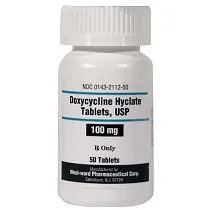
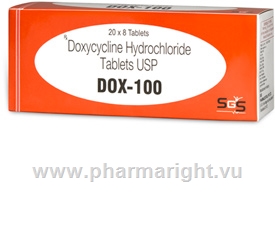
What Is Doxycycline?
Doxycycline is a broad-spectrum antibiotic in the tetracycline family. Veterinarians commonly prescribe it for certain bacterial infections and several infections transmitted by ticks in dogs and cats.
Most oral doxycycline products were originally approved for people, so their use in dogs and cats is generally extra-label. Extra-label prescribing is common in veterinary medicine, but the product, dose and treatment schedule should be selected by a veterinarian.
Doxycycline does not treat viral or fungal infections, and it is not effective against every type of bacteria. Culture, susceptibility testing or other diagnostic tests may be recommended when appropriate.
How Does Doxycycline Work?
Doxycycline interferes with bacterial protein production by binding to part of the bacterial ribosome. This usually prevents susceptible organisms from growing and reproducing, allowing the animal’s immune system to help eliminate the infection.
Because bacteria differ in their susceptibility to doxycycline, the medication should not be used simply because an animal has symptoms that resemble a previous infection.
What Is Doxycycline Used for in Dogs and Cats?
Depending on the animal, diagnosis and organism involved, veterinarians may prescribe doxycycline for conditions including:
- Tick-borne infections such as ehrlichiosis, anaplasmosis and some infections caused by Rickettsia
- Lyme disease caused by susceptible bacteria
- Certain respiratory infections
- Infections involving organisms such as Mycoplasma or Chlamydia
- Leptospirosis
- Certain skin, wound or urinary infections caused by susceptible organisms
Doxycycline may also be included in a veterinarian-directed heartworm treatment protocol to target Wolbachia bacteria associated with heartworms. It does not kill adult heartworms by itself and is not a substitute for heartworm prevention or complete heartworm treatment.
Doxycycline Dosage for Dogs and Cats
There is no single doxycycline dose suitable for every dog or cat. The amount, dosing interval and length of treatment depend on the animal’s species, weight, diagnosis, product formulation, health and response to treatment.
This page does not provide an individual dosing recommendation. Follow the veterinarian’s directions and the dispensing label. Do not change the dose, discontinue treatment early or extend treatment without veterinary guidance.
How Should Doxycycline Be Given?
Doxycycline is available as tablets, capsules and liquid preparations. It may cause less stomach upset when given with food. However, dairy products, iron supplements and some mineral-containing products can interfere with absorption, so follow the veterinarian’s instructions about food and other medications.
Never give a doxycycline tablet or capsule as a dry pill, particularly to a cat. A pill that remains in the esophagus can cause painful inflammation, ulceration and scarring. Follow the pill with food or the amount of water recommended by the veterinarian.
Measure liquid medication carefully and shake it when directed. Compounded suspensions can have different storage requirements and expiration dates, so follow the label supplied with the particular product.
Possible Side Effects
Possible side effects include:
- Nausea or vomiting
- Diarrhea
- Reduced appetite
- Drooling or difficulty swallowing
- Increased liver enzymes
- Increased sensitivity to sunlight, particularly on areas with little hair
Contact a veterinarian if side effects are severe, persistent or unexpected. Difficulty swallowing, repeated regurgitation, refusal to eat or signs of pain after swallowing may indicate esophageal injury and require prompt veterinary attention.
Facial swelling, hives, difficulty breathing, weakness or collapse may indicate a serious allergic reaction and require emergency veterinary care.
Medication Interactions
A veterinarian should know about every prescription drug, over-the-counter medicine and supplement the animal receives. Products that may reduce doxycycline absorption include:
- Antacids containing aluminum, calcium or magnesium
- Iron supplements
- Bismuth-containing products
- Sucralfate
- Some vitamin and mineral supplements
Other medications may also interact with doxycycline. A veterinarian or pharmacist can advise whether doses should be separated or a different treatment should be used.
Other Warnings and Precautions
Do not give doxycycline to an animal with a known allergy to doxycycline or another tetracycline antibiotic unless a veterinarian has specifically evaluated the situation.
Additional caution may be needed in animals with liver disease. The veterinarian should also evaluate its use in young, pregnant, breeding or nursing animals because tetracycline antibiotics can affect developing teeth and bones.
If a dose is missed, give it when remembered unless it is nearly time for the next scheduled dose. Do not give two doses together unless specifically instructed by a veterinarian.
Antibiotic Resistance and Responsible Use
Do not use leftover doxycycline, share one animal’s medication with another animal or use it for a new illness without veterinary advice. Similar symptoms can have very different causes, and inappropriate antibiotic use can delay effective treatment and contribute to antimicrobial resistance.
If the animal does not improve within the expected period or becomes worse, contact the veterinarian. The diagnosis, bacterial susceptibility or treatment plan may need to be reconsidered.
Can You Buy Doxycycline Without Submitting a Vet Prescription?
In the United States, doxycycline is a prescription drug. That legal classification is separate from an individual supplier’s ordering procedure.
At the time of our latest review, the independent suppliers compared on this page did not require customers to submit a veterinary prescription when placing an order. Supplier requirements, availability, prices and shipping terms can change, so verify current information on each supplier’s website.
Dog & Cat Pharm does not prescribe, sell, dispense, handle or ship doxycycline. We provide general medication information and compare independent suppliers.
Frequently Asked Questions
Can doxycycline be used in both dogs and cats?
Yes. Veterinarians prescribe doxycycline to both dogs and cats, although the appropriate formulation, dose and treatment duration depend on the animal and condition being treated.
Why should doxycycline pills not be given dry?
Doxycycline tablets and capsules can become lodged in the esophagus and cause inflammation, ulceration or scarring. This is an especially important risk in cats. Follow each pill with food or the amount of water directed by the veterinarian.
Can doxycycline be given with food?
It is often given with food to reduce stomach upset. Avoid giving it at the same time as dairy products, iron or mineral-containing products unless the veterinarian advises otherwise because these substances can reduce absorption.
Does doxycycline treat tick-borne diseases?
Doxycycline is commonly used for several tick-borne bacterial infections, but treatment depends on the specific disease and diagnosis. It does not prevent tick bites or replace an appropriate tick-control product.
Is doxycycline a heartworm treatment?
Doxycycline may be one part of a veterinarian-supervised heartworm protocol because it acts against Wolbachia bacteria associated with heartworms. It is not a complete heartworm treatment and does not replace preventive medication.
How quickly does doxycycline work?
Doxycycline begins acting after it is absorbed, but visible improvement may take several days and depends on the infection. Contact the veterinarian if the animal becomes worse or does not improve within the expected time.
Can leftover doxycycline be used for another illness?
No. A new illness may have a different cause, and the leftover medication may be the wrong formulation, strength or duration. A veterinarian should evaluate the new condition.
Sources
This page provides general medication and supplier-comparison information and is not a substitute for diagnosis or treatment advice from a veterinarian.